Why a Social Media Ban for Under-16s is the Wrong Answer for Online Safety

Traci Gregory
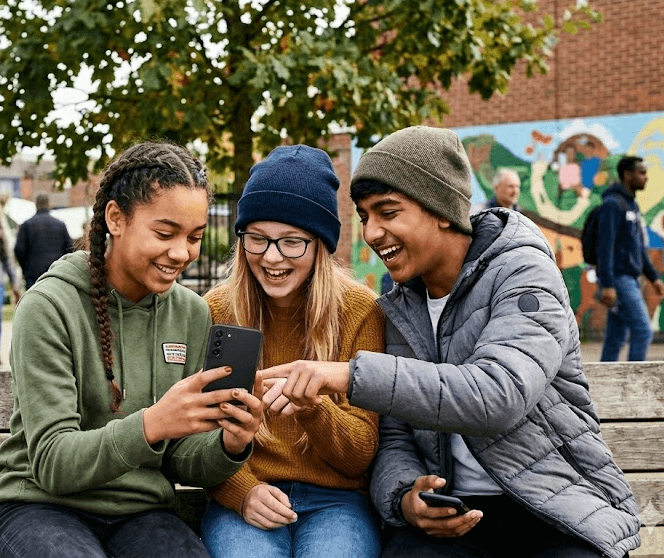
In recent months, the conversation around youth mental health has coalesced around a single, drastic solution: a total social media ban for anyone under the age of 16. While proponents argue this would "give childhood back" to our kids, a deeper look suggests that a ban is not only impractical but potentially counterproductive to the very goal of keeping children safe. Here is why we think a ban is the wrong path forward for our digital generation.
It Creates a "Digital Cliff" at 16
Safety is a skill, not a switch. If a child is banned from social media until they turn 16, they are suddenly thrust into the digital world at an age when they are navigating increased academic pressure and burgeoning independence—without any prior experience.
By banning use, we lose the opportunity to provide "supervised driving" for the internet. Education, moderated access, and gradual autonomy allow young people to develop the critical thinking and digital literacy skills they need to navigate online risks while they are still under the guidance of parents and educators.
It Drives Risk Underground
History shows that when you ban a popular platform, users don’t stop using it; they just stop being honest about it. A ban would likely drive under-16s toward "underground" or less-regulated platforms, or encourage the use of VPNs and age-spoofing.
When children hide their online presence, they are less likely to seek help from parents or teachers when they encounter something upsetting, such as cyberbullying or grooming. A ban destroys the open communication channels that are the cornerstone of effective safeguarding.
It Disconnects Vulnerable Communities
For many young people, social media is more than just a place for "likes." For LGBTQ+ youth, those with rare disabilities, or kids in isolated rural areas, social media is often a vital lifeline to communities of support they cannot find locally.
For these individuals, a ban isn't just a restriction on entertainment; it is an act of social isolation. Taking away these digital support systems can have a detrimental effect on the mental health of the very children we are trying to protect.
It Shifts Accountability Away from Big Tech
A ban places the burden of safety on parents and the state to enforce restrictions, rather than on the platforms to be "safe by design."
Instead of banning access, the focus should remain on the Online Safety Act and similar regulations that force tech companies to fix their algorithms, remove addictive features, and implement robust age-appropriate designs. If we simply ban children, we give tech giants a "get out of jail free" card regarding their responsibility to make their products safer for everyone.
It Ignores the Positive Power of Digital Connection
Social media is a primary tool for modern creativity, activism, and learning. From young climate activists to teenage coders and digital artists, the "under 16" demographic uses these platforms to build portfolios, learn new skills, and engage with global issues. A blanket ban ignores the immense educational and civic value that a moderated, healthy relationship with social media can provide.
The Alternative: Empowerment over Exclusion
The solution to online harm isn't to turn the internet off; it’s to turn the "safety" up. This means:
- Mandatory Digital Literacy: Integrating online safety into the core school curriculum from a young age.
- Safety-by-Design: Holding platforms legally accountable for harmful algorithms.
- Parental Support: Providing parents with the tools and confidence to mentor their children online, rather than acting as digital police.
Protecting children doesn’t mean locking the door to the digital world—it means teaching them how to walk through it safely.
Get in touch
Ready to find out how the team at Online Safety Hub help protect children and young people online?
Contact Us